

Metabolic Health for Busy Professionals
Disclaimer: Educational content only. Not medical advice. Check with your clinician if you have any conditions or take medications.
What is Metabolic Health?
Metabolic health is your body’s ability to turn food and stored fuel into steady energy—without wild swings in appetite, mood, or performance.
In a corporate setting, that means fewer mid-afternoon crashes, more consistent focus, and resilience under pressure.
You don’t need a perfect plan to start improving; you need a practical one that fits a full calendar and real life.
What “Good” Looks Like
Stable energy across the day (4–6 hours between meals without urgent hunger)
Minimal brain fog after lunch
Comfortable digestion; no daily bloating rollercoaster
Progress toward your goals (body composition, performance, labs) without chronic deprivation
Core Ideas You’ll Use All Year
1) Eat enough protein
Most adults under-eat it. Protein supports muscle, appetite control, recovery, and stable blood sugar.
Smart range for many people: 1.2–1.8 g/kg/day depending on goals and training.
Aim for 25–45 g per meal.
2) Control refined carbs
You don’t have to be keto to benefit from dialing down sugars and ultra-processed snacks.
Focusing carbs around activity is an effective middle path for many.
3) Choose fats that fill you up
Favor extra-virgin olive oil, avocado, nuts, seeds, whole eggs, dairy (if tolerated), and fatty fish.
These play well with low-carb or moderate-carb approaches.
4) Hydrate with electrolytes
Many “low energy” days are low-hydration days.
Add a pinch of salt (or an electrolyte mix) to water, especially when low-carb or active.
5) Move daily
Short bouts count.
NEAT (steps, stairs, standing) + 2–3 sessions/week of strength training beats sporadic “all-out” weeks.

Cook With Us Live
Join our virtual cooking classes and learn from your own kitchen with guided sessions from our chefs.
Food Approach Options
Lower-carb, higher-protein: Center meals around protein + non-starchy veg + satisfying fats, add carbs near workouts if desired.
Moderate-carb, whole-food focus: Prioritize fruit, legumes, root veg, and minimally processed grains; avoid sugary drinks and pastries.
Keto phase for reset (optional): 2–6 weeks lower-carb (typically <50 g/day net) to steady appetite and cravings, then reintroduce strategic carbs.
Busy-Friendly Foods
Proteins
Rotisserie chicken Canned fish, Greek yogurt, Cottage cheese, Steak strips, Eggs, Tofu/tempeh (if used), Turkey burgers
Carbs (if using)
Berries, Apples, Bananas, Sweet potatoes, Oats, Quinoa, Legumes
Fats
Olive oil, Avocado, Nuts, Seeds, Nut butters, Olives, Salmon
“Assembly” Produce
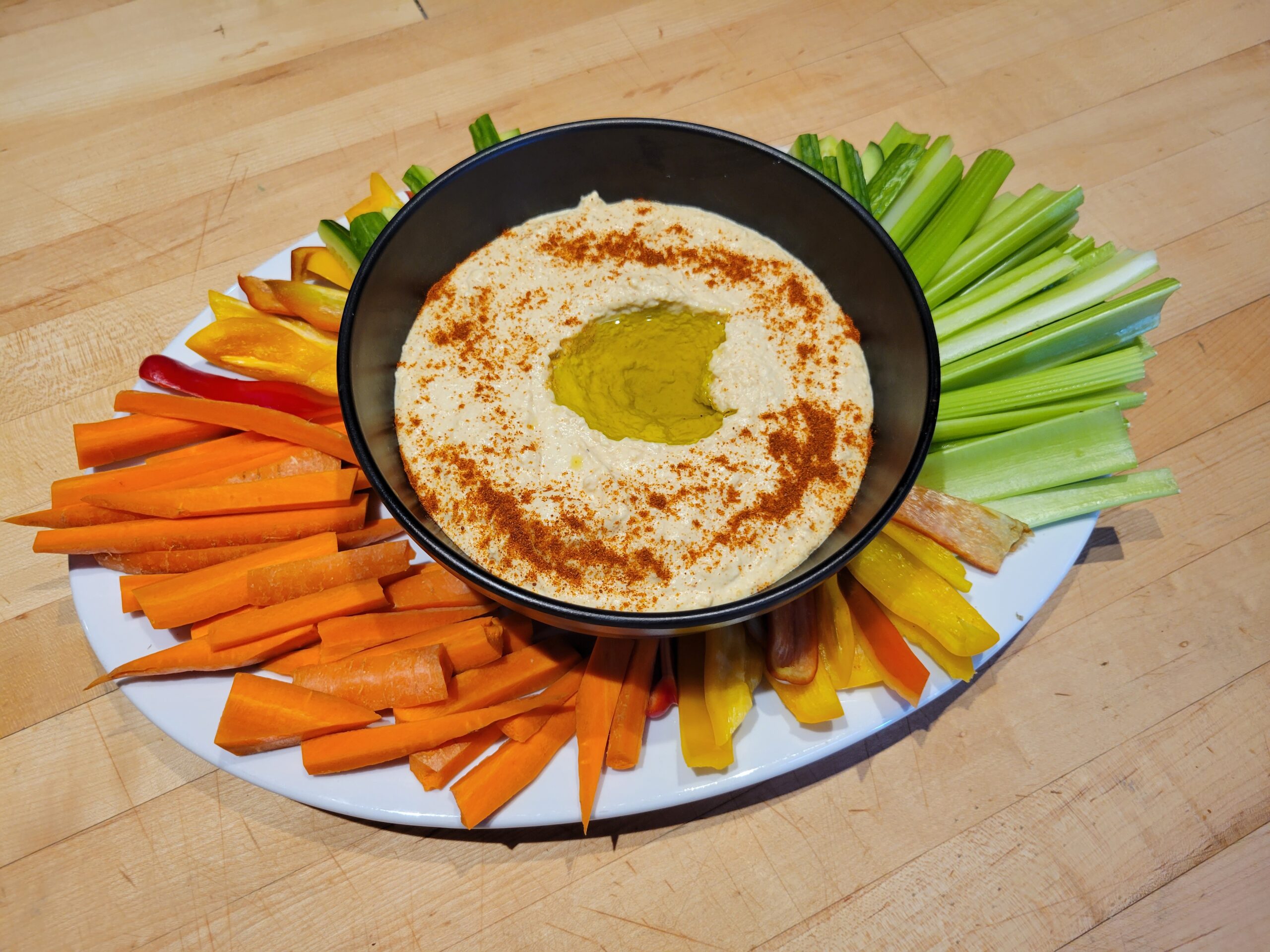
Salad kits (watch dressings), Baby carrots, Cherry tomatoes, Mini cucumbers, Microwave-steam veg
Tools That Help
24–32 oz water bottle + electrolyte packets
Lunchbox or tote for desk-friendly meals
Timer or calendar nudge for short movement breaks
Simple food scale or measuring cups (short-term calibration, optional)
Sleep-friendly gear: eye mask, blue-light settings on devices
Explore Our Recipes
Discover delicious recipes crafted by our chefs. From simple everyday meals to special dishes, find inspiration and cook with confidence.
Exercise Guidance (Beginner–Intermediate)
Minimum weekly target: 150+ minutes of moderate activity (e.g., brisk walking) + 2–3 strength sessions
At-desk micro-circuit (5–8 minutes):
Bodyweight squats, desk push-ups, split squats, wall rows with towel, hip hinges.
8–12 reps each, 2 rounds.Steps:
Aim for your baseline + 1–2k more. Build gradually.
Quick Wins This Week
Build one “go-to” breakfast with 30–40 g protein (e.g., Greek yogurt + whey + berries + chia)
Replace one refined-carb snack with a protein/fat option (beef jerky + nuts, cottage cheese + olives)
Add 1 electrolyte drink before lunch; notice afternoon energy
Book two 30-minute strength sessions in your calendar
Common Pitfalls
Grazing all day; never reaching a real meal
Trying to “out-cardio” a low-protein, high-snack plan
Overcorrecting with extreme diets you can’t sustain at work
Simple Action Plan
Pick your primary food approach for the next 4 weeks: lower-carb/high-protein, moderate-carb whole-food, or short keto reset.
Design 3 repeatable meals that fit that approach and your schedule.
Schedule two strength sessions + daily 10-minute walk. Protect them like meetings.
Hydrate early; add electrolytes if you train or eat lower-carb.
Track how you feel at 10 a.m., 2 p.m., and 6 p.m. Adjust meals based on energy and focus.